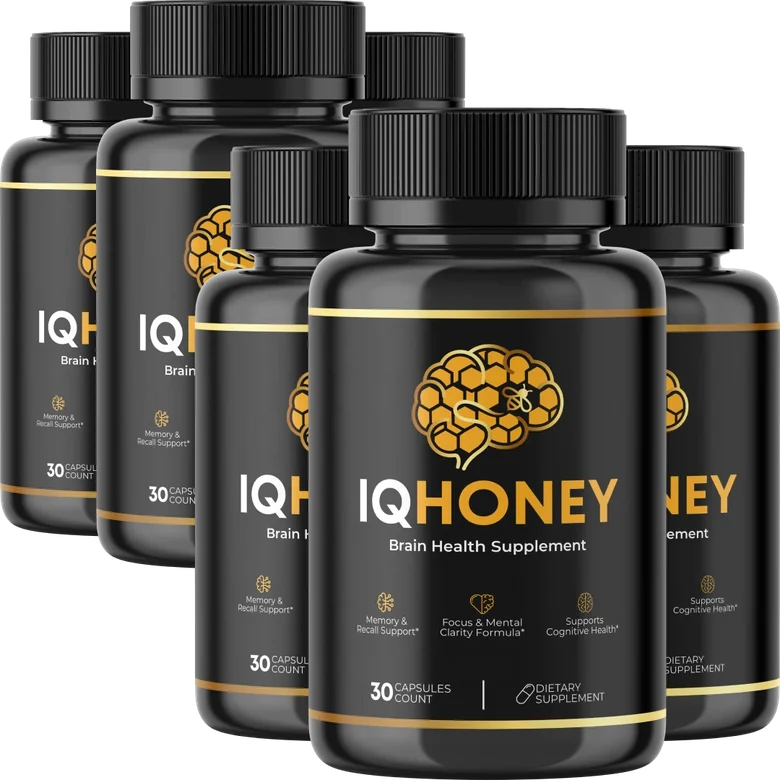
Why We Fall For 'Miracle Cure' Ads
A famous name attached to a claim borrows trust it hasn't earned. Here's why that tactic works so well.
You've probably seen the ad. A grainy photo of a famous tech billionaire, a headline about an “ancient recipe” hidden from the public, a countdown timer ticking away. Some part of you likely knew it was too good to be true. And yet the ad worked on enough people that it kept running. Worth asking why, since the answer isn't simply “those people are gullible.”
Authority transfer, weaponized
Psychologists have long documented a phenomenon called authority transfer: when a claim is attached to a trusted, high-status name, people extend some of that trust to the claim itself, often without consciously verifying the connection is real. A brain-health product story attached to a famous tech founder or a well-known doctor borrows credibility it hasn't earned — and the borrowing works precisely because most people don't have the time or inclination to fact-check every ad they scroll past.
Why this tactic targets cognitive-health products specifically
Memory and focus concerns carry a particular kind of urgency. Forgetting a name, losing a train of thought, or watching a parent's memory decline taps into real fear about aging and independence. Fear narrows the window for careful evaluation — when a claim promises relief from something frightening, people are measurably more likely to accept it at face value than they would a claim about something lower-stakes, like a skincare product.
The 'ancient secret' framing does real work too
Claiming a recipe was hidden or suppressed serves a specific narrative function: it preempts the obvious question of why, if this actually worked, no major hospital or research institution has adopted it. The 'secret, suppressed knowledge' framing answers that question before it's asked, at least emotionally, even though it doesn't hold up to five minutes of scrutiny.
What actually protects against this
The research on resisting this kind of marketing points toward a few concrete habits, not just general skepticism:
- Checking whether a celebrity endorsement can be verified through a source other than the ad itself
- Treating 'suppressed by the establishment' framing as a red flag rather than a credibility signal
- Looking for the actual ingredient list and mechanism, not just the story wrapped around it
That last point is exactly why we lead with the real formula on this site rather than a narrative — see it in all 4 ingredients explained.
The honest caveat
None of this means every cognitive-support supplement is a scam, or that the underlying product behind a bad ad campaign is necessarily worthless. It means the ad and the product are two separate things worth evaluating separately — and that a false endorsement says nothing about whether an honestly-described formula might still be worth trying.